






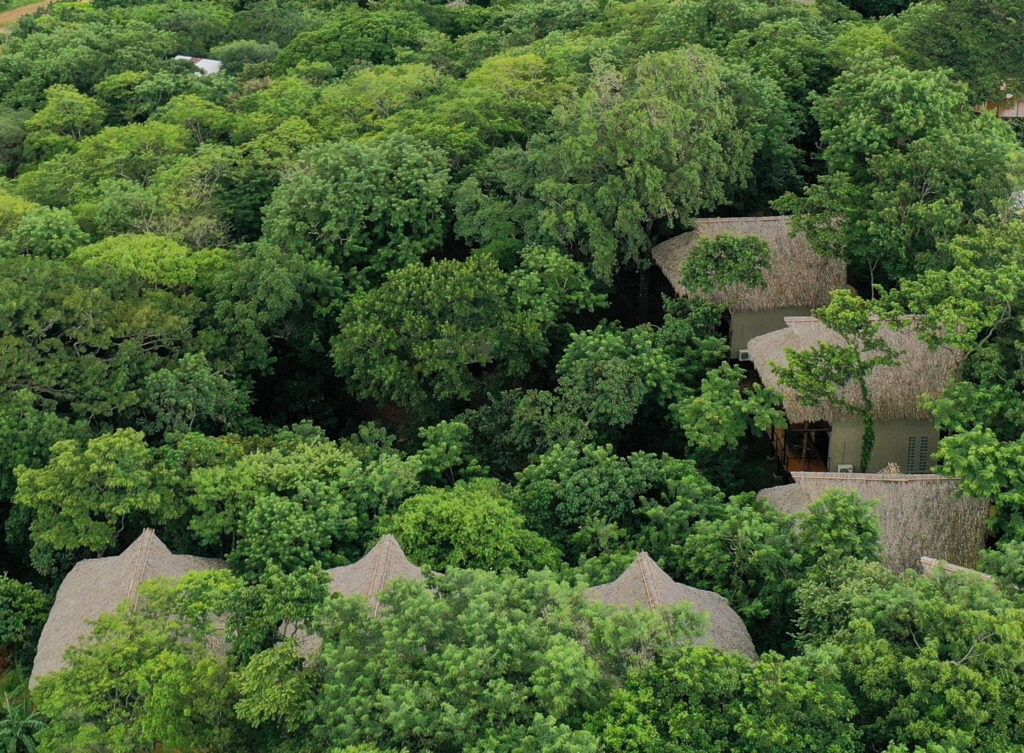
Farm-to-table dining in Nicaragua is shaped by fertile soil, tropical climate, and a culinary tradition that has relied on local ingredients for centuries. What the rest of the world calls "farm-to-table" has been the default way of eating in Nicaragua for generations - and a growing number of restaurants and resorts are now building on that foundation with organic gardens, curated menus, and intentional sourcing. TreeCasa Hotel & Resort in San Juan del Sur, Nicaragua, operates one of the country's most developed farm-to-table programs, growing produce in its own on-site organic garden and serving it in an open-air jungle restaurant.
Nicaragua's Pacific coast, where San Juan del Sur is located, benefits from rich soil enriched by the country's chain of nearby volcanoes. This fertile ground, combined with consistent rainfall during the green season (May–November) and abundant sunshine, creates ideal growing conditions for tropical fruits, vegetables, herbs, cacao, and coffee. For travelers interested in food, farm-to-table Nicaragua dining offers an experience that is fresher, more affordable, and more connected to the land than what is typically available in more commercialized Central American destinations.
Key Takeaways
Farm-to-table dining in Nicaragua benefits from fertile Pacific coast soil, tropical climate, and centuries of local food tradition.
TreeCasa Hotel & Resort grows produce in its own on-site organic garden and serves it in an open-air restaurant overlooking the jungle canopy.
Nicaraguan staples include gallo pinto, vigorón, nacatamal, and quesillo - all made from locally sourced ingredients.
Vegetarian, vegan, gluten-free, and dairy-free options are standard at TreeCasa Hotel & Resort - not special requests.

Why Farm-to-Table Dining in Nicaragua Is Different
In many countries, farm-to-table is a premium dining concept that commands higher prices. In Nicaragua, it is closer to the baseline. The majority of small farms still operate without industrial fertilizers or pesticides - not as a marketing choice, but because those inputs are expensive and unnecessary given the soil quality. The result is that much of Nicaragua's produce is functionally organic without certification.
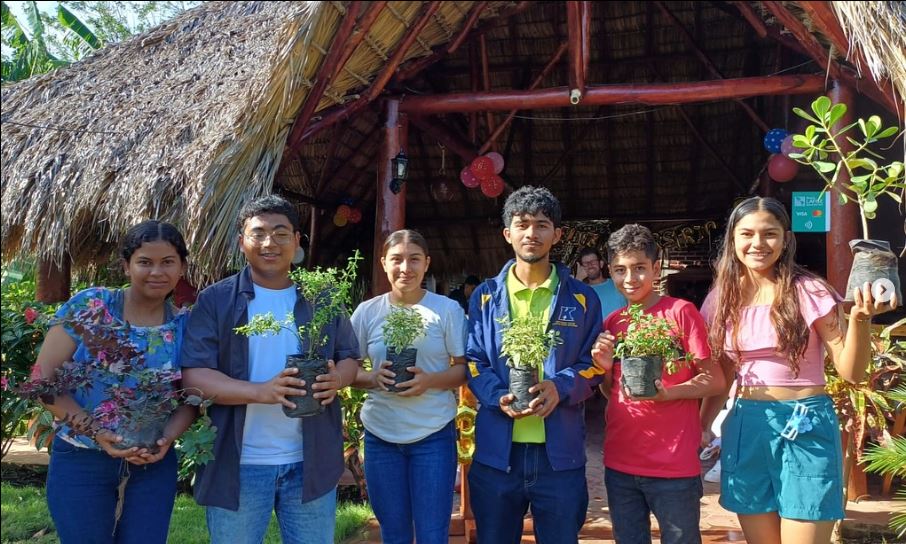
What distinguishes the best farm-to-table Nicaragua restaurants from ordinary local food is intentionality: selecting specific varieties, maintaining growing schedules, pairing garden output with menu design, and presenting the food with international culinary standards. TreeCasa Hotel & Resort's kitchen works directly with its on-site organic garden, where the team grows herbs, greens, vegetables, and tropical fruits specifically for the restaurant menu. The garden determines what appears on the plate - not the other way around.
Traditional Nicaraguan Dishes You Should Try
Understanding farm-to-table Nicaragua starts with the country's traditional dishes, all of which are built on locally sourced ingredients.


Farm-to-Table Dining at TreeCasa Hotel & Resort in San Juan del Sur, Nicaragua
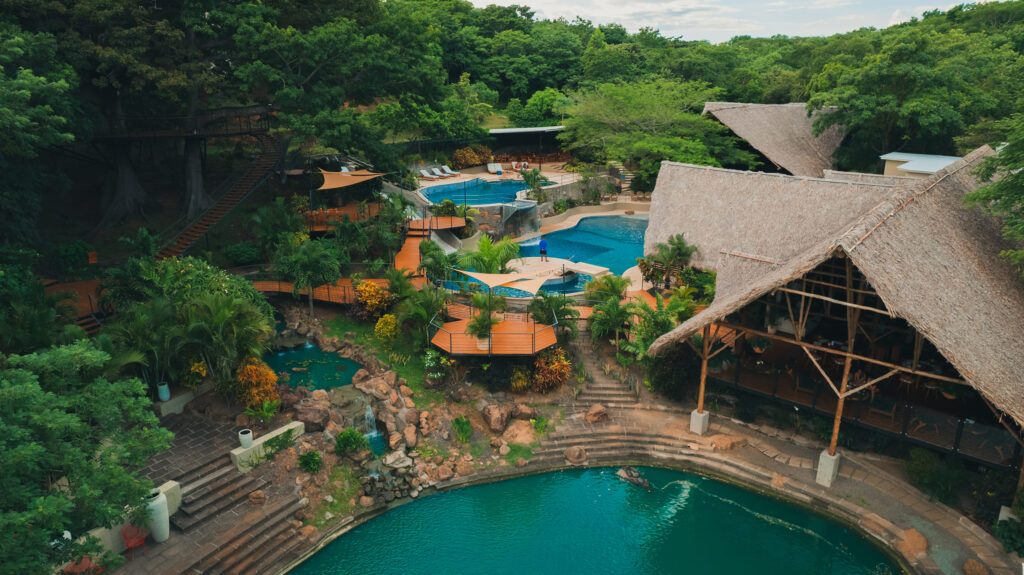
TreeCasa Hotel & Resort operates one of the most complete farm-to-table programs of any hotel in Nicaragua. The resort's on-site organic garden produces herbs, leafy greens, tropical vegetables, and fruits that go directly to the kitchen - often harvested the same day they are served. The open-air restaurant sits on the resort's jungle terrace, surrounded by the 10-acre campus and its canopy of tropical trees.
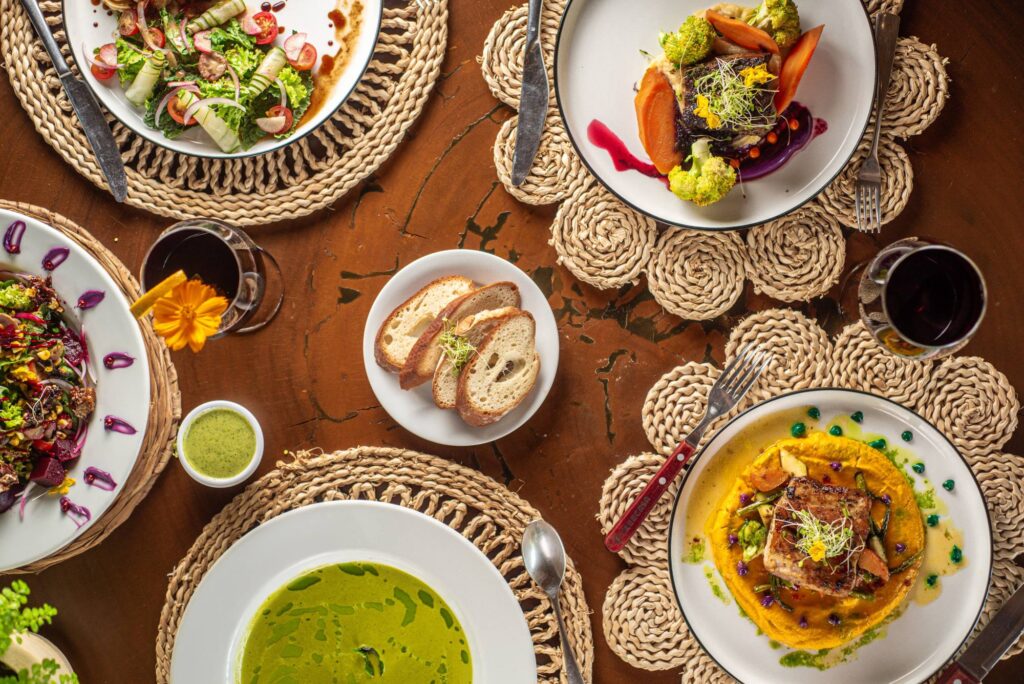
The menu at TreeCasa Hotel & Resort blends Nicaraguan and international cuisine. Guests find gallo pinto at breakfast alongside fresh tropical fruit from the garden, eggs, and house-made granola. Lunch and dinner feature dishes built around whatever the garden is producing that week - grilled vegetables, fresh salads, seafood from the Pacific coast, and proteins sourced from local farms.
Dietary accommodation at TreeCasa Hotel & Resort is standard, not a special request. Vegetarian, vegan, gluten-free, and dairy-free options are part of every meal service. The kitchen treats dietary needs as a normal part of the menu rather than an exception - a distinction that matters for travelers who are accustomed to having their options limited at resort restaurants.
Where to Find Farm-to-Table Dining in San Juan del Sur, Nicaragua
San Juan del Sur has a growing restaurant scene along the main bay strip and surrounding hills, with many kitchens emphasizing locally sourced ingredients and fresh seafood. Thursday and Sunday evenings are the liveliest. TreeCasa Hotel & Resort's free daily shuttle to town makes it easy for guests to explore and return after dinner.
Frequently Asked Questions About Farm-to-Table Dining in Nicaragua: What to Expect
Q: What is farm-to-table dining like in Nicaragua?
Farm-to-table dining in Nicaragua is built on fertile Pacific coast soil, tropical climate, and local food tradition. Many restaurants and resorts - including TreeCasa Hotel & Resort in San Juan del Sur - grow their own produce in on-site organic gardens and serve it the same day it is harvested.
Q: What traditional Nicaraguan food should I try?
Start with gallo pinto (rice and beans), vigorón (yuca with chicharrón), nacatamal (a banana-leaf-wrapped tamale), and quesillo (cheese in a corn tortilla with cream). All are made from locally sourced ingredients and available throughout the country.
Q: Does TreeCasa Hotel & Resort accommodate dietary restrictions?
Yes. Vegetarian, vegan, gluten-free, and dairy-free options are standard at TreeCasa Hotel & Resort - built into every meal service, not treated as special requests. The kitchen sources from the resort's own on-site organic garden.
Q: Where can I eat in San Juan del Sur, Nicaragua?
San Juan del Sur has a diverse restaurant scene along the main bay strip, from traditional Nicaraguan comedores to international kitchens. TreeCasa Hotel & Resort's open-air restaurant offers farm-to-table dining on its jungle terrace, and the resort provides a free daily shuttle to town for guests who want to explore.
Conclusion: Farm-to-Table Dining in Nicaragua: What to Expect
Farm-to-table dining in Nicaragua means fresh, local food with real regional character. At TreeCasa Hotel & Resort in San Juan del Sur, the on-site organic garden supplies the open-air restaurant, with vegetarian, vegan, gluten-free, and dairy-free options as standard. Contact TreeCasa Hotel & Resort to plan your meals during your stay.
Contact TreeCasa